
A common mistake I see being made by new puppy owners is that they think that their new little bundle of fluffiness will automatically love all dogs and all humans and be as enthusiastic as they are about life in general 😬❌
Unfortunately this couldn’t be further from the truth for some puppies. Dog guardians are often forgetting a vital piece in their puzzle – and that’s no matter how many times you unbeknowingly place your puppy into a new situation ,that it doesn’t want to be a part of , you won’t be automatically creating well socialised dog – what you might be doing instead is creating a pessimistic puppy not an optimistic one.

– Let me explain – whilst my advice IS to expose your puppy to new and novel situations in the first 6-8 weeks of ownership ,gradually, in a calm and positive way (gradual exposure) – my advice ISNT to begin exposing your puppy to everything as much as possible because your nervous pup will just get over it with time. Can you see the difference?
In the first instance I would like you to take your puppies personality (they are all different) into consideration – does he lip lick or turn his head away at the prospect of new things? Does he show instances of “Sticky feet” (wants to look or explore but keeps his back feet firmly on the floor for a quick getaway)? Does he hide under your legs or pull to get away from loud cars as they drive by? If yes then you have an under confident puppy or one who is potentially shy or nervous – I would expose these puppies even more calmly and gradually to things than your more forward puppy but the socialisation goals would be the same but timescale might take a little bit longer that’s all.
In the second instance mentioned above, we would be exposing our puppy for exposure sake- blindly not noticing the subtle body language cues puppies give off when they are nervous and what it can eventually lead to something called “flooding” – in this instance your dog becomes so overwhelmed by the scary things that they just shut down (which can “look” like they’ve “gotten over it”) but they actually don’t know what else to do for lack of escape routes or distance and reassurance from their handler. Chances are if we continue down this road with overly exposing puppies to things too quickly or too much your pup isnt going to want to interact again at the next opportunity – WHY? because they need GRADUAL EXPOSURE and SAFETY to figure out if the new anxiety inducing thing being presented is worth the risk.✅🐶
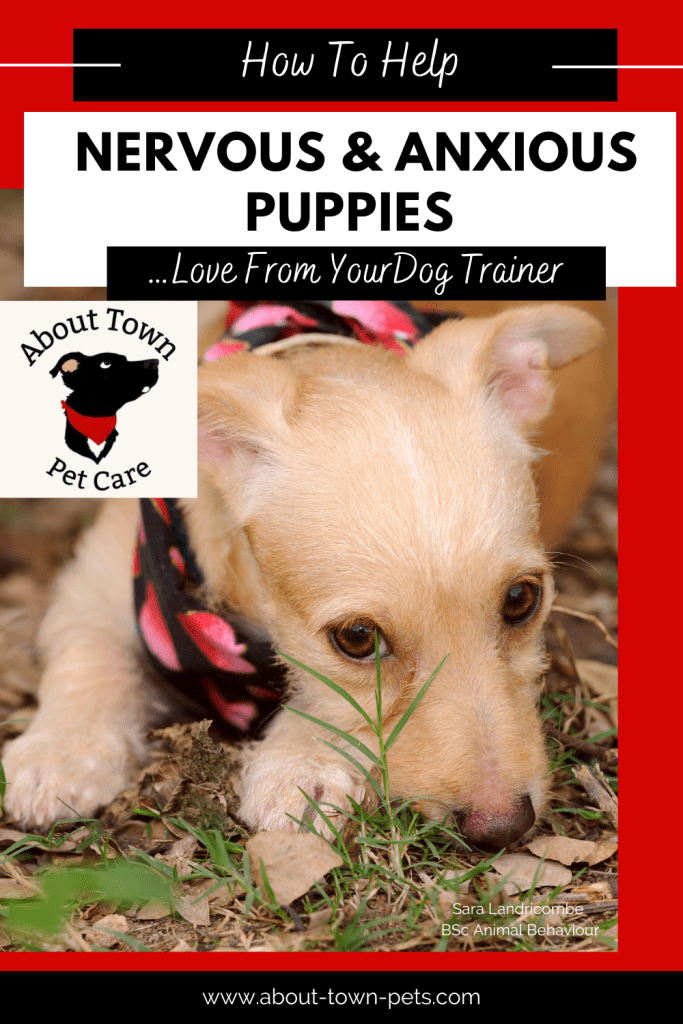
This is where you come in -as the mammal with a large brain to body size ratio -you’d think we’d be able to work out our puppies likes and dislikes quite quickly. If your dog is a little nervous Nellie, then slow gradual confidence building is needed and regular rewards are required for activities that might have been quite hard work for them – Eg; your pup greets a new person they were otherwise shy of – EXTRA PRAISE & REINFORCEMENT PLEASE in the form of play or treats so that you make the puppy feel confident in their next choice to do so without pulling them towards the scary thing – with enough reward for making those sorts of choices, your pup will be more likely to choose to do that again and come back to their SAFE person (you) if you’ve built up a nice relationship at this point.
It’s a personality thing – not all puppies are happy go lucky and not all puppies are going to need the softly softly approach BUT let’s just assume all puppies aren’t confident until they are, just to be on the safe side- don’t pull them towards something they don’t want to interact with – instead create space and when they are at a SAFE distance just let them LOOK👀 and reward for looking and looking back at you- this simple act let’s them know we can move away from the thing but it doesn’t go away -they also get rewarded for simply looking – you can then move forward at the puppies pace or try again another day.
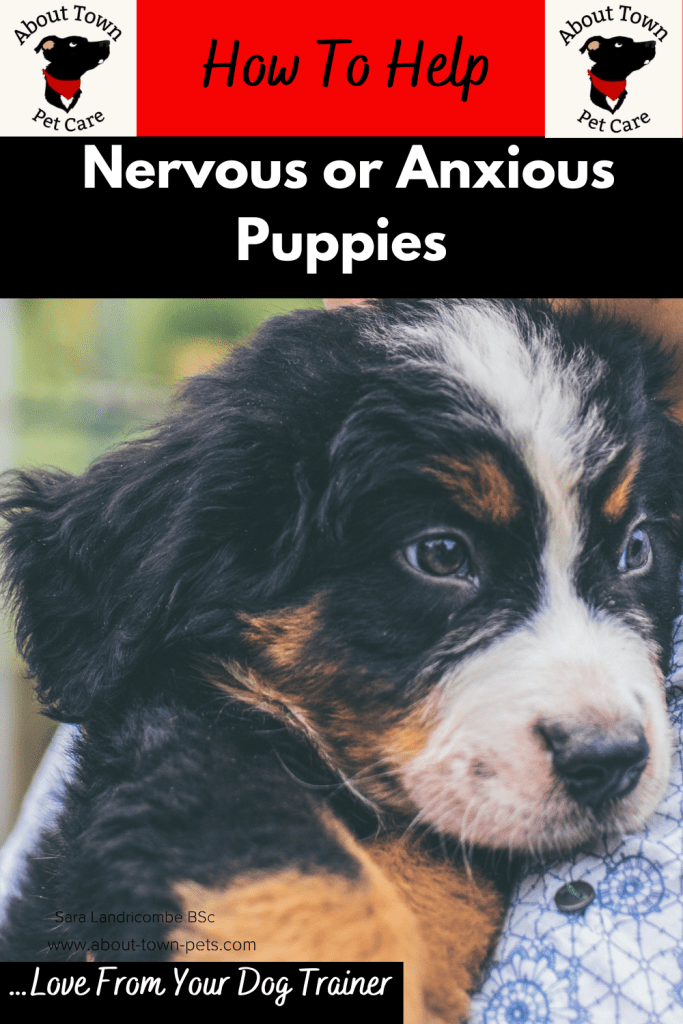
DONT be tempted to rush this part as it can take quite a long time to build confidence in a nervous dog – it only takes one big scary interaction for your dog to unravel all of your training and set you back a week or two to build back up to it again. This is why we ALL must be mindful of our adult dogs interactions with puppies AT ALL TIMES – ESPECIALLY ALREADY SHY OR NERVOUS DOGS- they’ve got lots of time to become friends but a very narrow window exists in which if a scary thing happens (and this means scary to the dog not you) you are unlikely to be able to unravel this learning without months of behaviour modification in the future 😅 Honestly, gradual confidence building at key moments is better than full exposure and potential behavioural issues that need ironing out at 18 months old .
DONT assume all puppies want to be your friend – I know it’s tempting – the tiny daschund puppy you met on your walk is so cute you could eat him – but imagine if everyone on that walk picked him up and snuggled his face when he was quite a nervous dog to start with? Not only are we not noticing his cues to leave him alone but you are creating one of the most common behavioural issues for small dogs – explosive reactions. If he continues to not be listened to because he is so small – his behaviours and reactions have to get bigger and bigger for people and other dogs to “notice” him and then we end up creating (and I hate this term) “little dog syndrome” the tiny dog who barks excessively or has “an attitude”it’s not a syndrome and almost always created by us and is just a by product of little dogs having to resort to big shows of emotions to get listened to and this stress response gets passed on to subsequent puppies and so on and so forth. Let’s just not start this in the first place – get good at being a dog detective – look for shying away and hiding – what he really wants is reassurance from the care giver and you to probably just need to ignore him until he’s READY to interact.
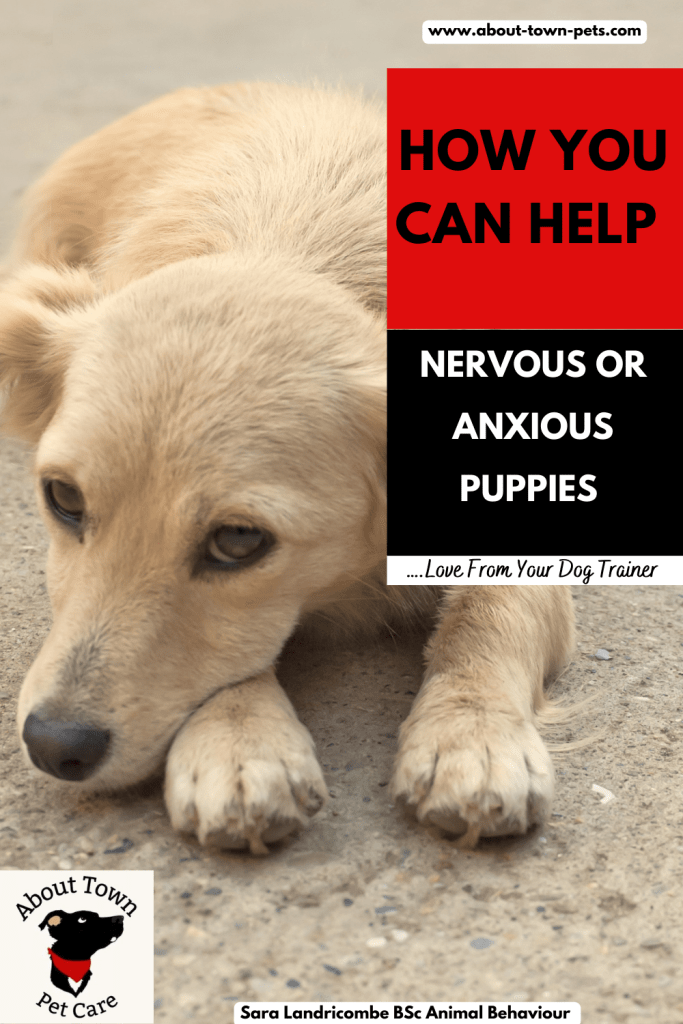
The weirdest response to these dogs is the “offended bystander” you know those people who think they’re gods gift to dogs and they should “WANT” to interact with them at all costs and almost get argumentative about your dogs reactions – my response to this is – please step away from my dog please he doesn’t want to be your friend – he’s got enough of those at home 😉😅 …… I digress……
Next up DO consider taking your puppy to class even if you have a barky pup chances are he just needs the confidence to know that nothing bad is going to happen and that I can interact from a distance if I need to – provisions can be made to help a more nervous member of a group class – I like to create a barrier around them until they settle , pop them at the other end of the room at a safe distance and I keep sudden movement and personal interactions to an absolute minimum – he’s not my best friend yet so I’m not going to force him – purely by watching other dogs with positive outcomes that pup will interact at his own pace – dogs don’t need to be side by side or even off lead to interact the act of rewarding calm behaviours without reactions in that environment is enough work for that dog that day and that’s an achievement in my book – you can learn the techniques in class and take it all home to your safe space to learn. I won’t be offended and the other people and pups in the class learn a valuable lesson on how to interact and help their fellow nervous members.
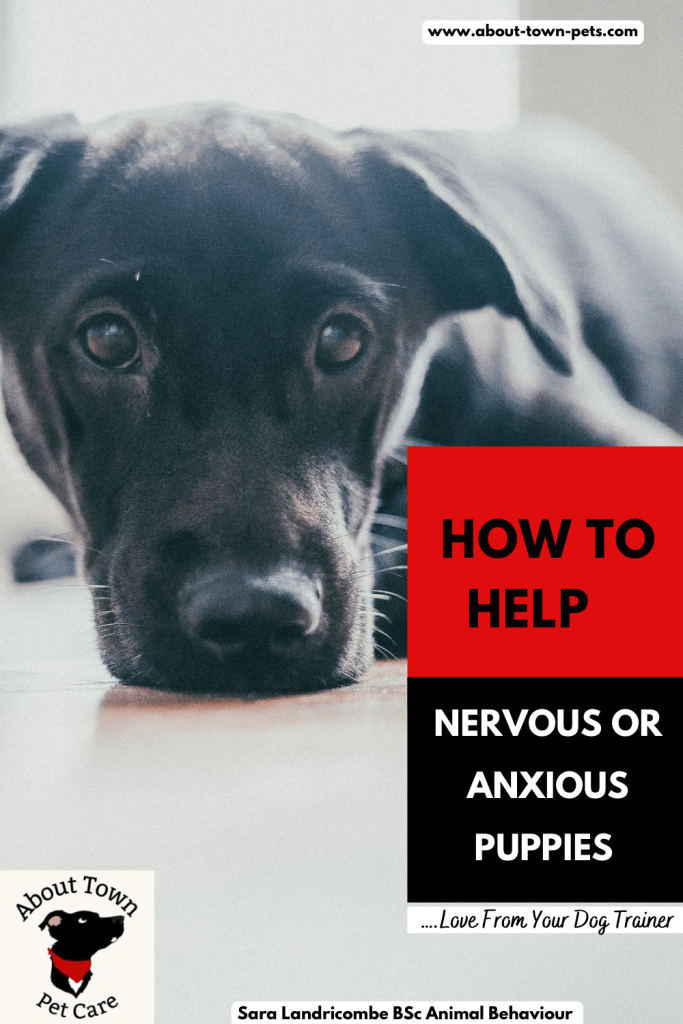
I would AVOID classes with large numbers or outdoors classes where lots of other dogs can be seen and movement detected it’s likely to be a bit much for for nervous pal to begin with – you can definitely work up to this but start with an intimate class indoors or even try online training classes or 1-2-1 in home training – you can still be coached through all the techniques from puppy class but the distractions are minimised and you can gradually work up to training these things in the “Real World” with calmer puppies or adults dogs at a distance in the future – There’s always a way to adapt your learning for nervous dogs and people -your journey might take a little bit longer or need some provision to help you & your puppy learn at a different rate that’s all.
I hope this article was helpful and feel free to tag someone who might need to hear this advice or would benefit from learning how to help their nervous pup- I will never exclude a dog from class they may just need an alternative arrangement instead ♥️🐶
Sara @About Town Pets
Ps if you liked this article you might want to try my other articles such as 8 Super Simple Enrichment Ideas You Can Use Every Day
Or The Very First Things You Can Train Your New Puppy Before Class Starts


 About Town Pets
Published by