
There’s nothing quite like the excitement of bringing home a new dog — especially a rescue dog who has finally found the loving family they deserve. But if your new furry arrival has come from a kennel environment, particularly abroad, they need something far more important than adventures and busy schedules:
✨ Time to decompress. ✨
The Decompression Phase (4–6 Weeks Minimum)
We humans want to do all the things right away — walks, visitors, dog park trips, training classes. But for a rescue dog, especially one who has traveled a long way, this period is a huge life change.
Their nervous system needs time to recalibrate after the stress they’ve experienced.
✅ Keep outings short and calm
✅ Allow lots of quiet observation time
✅ Home is the safe place — help them learn that slowly
For the first few weeks, think less “walks” and more:
🚪 Garden sniffing
👀 Watching the world safely
🛋️ Chilling with their new family
You’re building trust — not a schedule.

Sleep + Chewing = Emotional Regulation
One of the best things you can do right now?
🛏 Prioritise rest.
🦴 Offer healthy things to chew.
Chewing and rest promote calmness and basically tell your dog’s brain,
“You’re safe here.”
Try a cycle like:
• Short enrichment or training session
• Snuffle mat, lick mat, or a safe chew afterwards
• Encourage a nap
Foreign rescue dogs are often overstimulated by all the new sounds and sights — not truly tired. They may need help learning how to settle initially.
Toilet Training Troubles? Check For Giardia
If there’s a lot of pooping happening (everywhere!) — don’t panic. For dogs coming from kennel environments or a stressful journey, Giardia is extremely common.
💩 Take a stool sample to the vet
🧼 Double-clean accidents with an enzymatic cleaner
⚠️ Remember: It’s highly contagious and can reinfect
A stressed gut = a stressed brain, so clearing up tummy issues will help behaviour dramatically.
In some cases, a 24-hour fast (with plenty of hydration), followed by a gentle/bland diet, can help — but always check with your vet first.

Restart Toilet Training — Like You Would A Younger Dog
Once any medical issues are addressed, go back to basics:
✅ Frequent garden trips (after sleep, play, meals)
✅ Mark and reward immediately
✅ Set them up for success from the start
And for now, track food intake until their digestion stabilises — consistent meals mean consistent results.
How Much Exercise Is Right?
You may have heard the 5 minutes per month of age guideline.
It’s not a rule — it’s a reminder.
New rescue puppies should not be walked for ages on their tiny developing joints. Short, positive exposure is the goal.
Save the big adventures for later once they’re confident and secure.
I love using 3-day walk cycles for balance:
1️⃣ Explore a little
2️⃣ Practice calm confidence-building activities
3️⃣ Rest and reset
Your relationship is the walk — not the mileage.

The Adolescent Phase Is Coming…
If your female pup isn’t spayed yet, be prepared for:
• Restlessness
• Nesting behaviour
• Possible indoor accidents
Many females come into season around 9–10 months but it can vary — keep an eye out for behavioural changes and speak to your vet about timing.
For male adolescent dogs behaviours spike when hormones set in around 6-9 months old and can continue until 12 months and even 18 months old for larger breeds.

Final Words: You’re Doing Great ❤️
Your rescue dog doesn’t need perfection — they need patience.
By slowing the pace, supporting their recovery, and listening to their needs, you’re helping them feel safe enough to blossom into the dog they were always meant to be.
Because the real magic happens when a rescue dog realises:
🫶 They are home.
……love from your friendly neighbourhood dog trainer and behaviourist.
And if you found this blog post helpful please check out my previous blog post here – Debunking the “Little Dog Syndrome” Myth
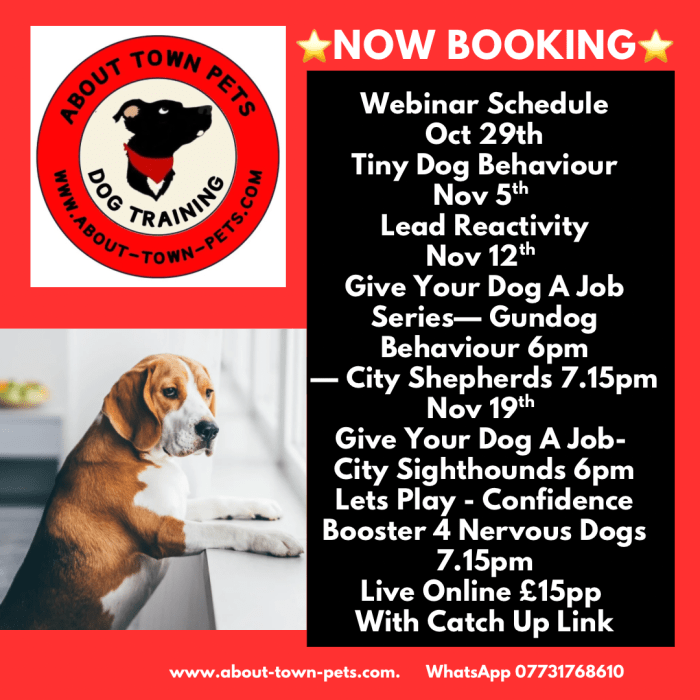
Can’t make an in person session consider checking out my upcoming zoom webinar topics and using this link to book Book Weekly Webinars Here👈
And if you would further help and live in the Plymouth or surrounding area please book in by filling in my training and behaviour questionnaire here New 1-2-1 Clients Start Here
Thanks . S


 About Town Pets
[…] if you appreciated this post you might want to check out my previous blog post Don’t rush your rescue dog! Which applies to rehoming young dogs […]
LikeLike