Recently I signed up for a free Coursera short course on dog emotion and cognition, Find course here, hosted by Duke University. It got me looking into the most recent research on the subject over the last few days. I thought I’d share what I found with you all, I want to be useful so I’m sure someone will benefit from this little finding.
One of the first articles listed in the journal of Neuroscience and Biobehavioral Reviews was this review article , (Kremer et al 2020) that took all of of 3 seconds to find on Science Direct. It is a not to be officially published until next month so it is hot off the press.
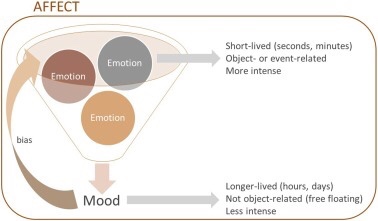
The study is from the Animal Science department at the Wageningen University in the Netherlands by authors Kremer, Klein-Hokenborg, Reimert, Bolhuis and Webb. It is a synopisis of the field of animal affect. Animal affect is a broad umbrella term for mood and emotion (see Figure 1 below).
The study asks – do existing animal science methods assess animal mood, happiness or personality?
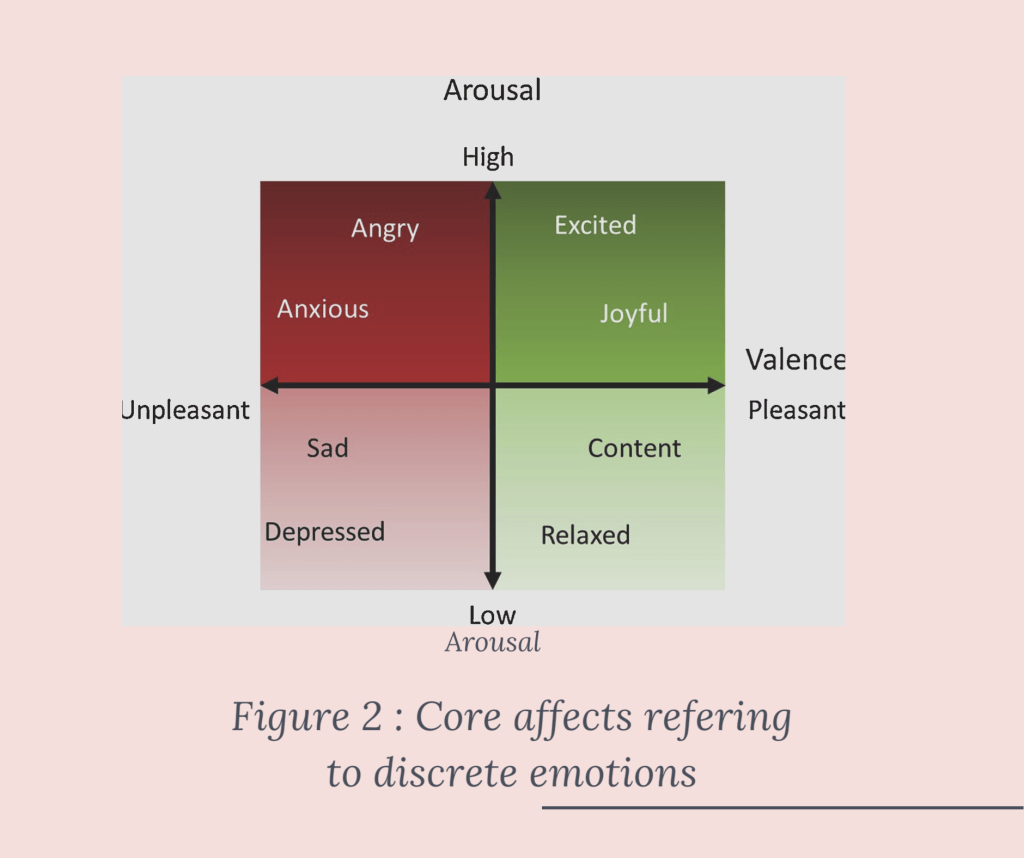
The multi process method (which brings together both of the current methodologies for these assessments) is the most promising. It suggests that low arousal positive affects (for example,contentment or relaxation) need further research as it is a lot more difficult to test for these sorts of behaviours without the animal getting too highly aroused. The researchers also believe that better defined methods are needed to unravel negative from positive affects of low arousal ( For example being able to safely differentiate between sad or depressed or content and relaxed) See figure 2 below.
The study of animal emotion can sometimes be confusing with each branch of study with its own variants on the definitions used for the terminology within the field. This study however tries to be a complete and up to date overview of the field of animal emotion with its functions and processes explained.
As the interest into emotional lives of non-human animals continues to grow so too does the growing concern for the welfare of captive and domesticated animals (Cornish eat al, 2016). Certain animals show characteristics that influence concern for their welfare, with those species considered more intelligent being afforded more concern. With regards to our food production animals almost being given an “out of sight out of mind” sort of mentality , there is compelling evidence that the general public have a very poor understanding of farm animal welfare.

It is with further studies into animal emotion that we can, perhaps, change the public awareness surrounding an animals consciousness and emotional capabilities so that we may be able to further improve standards of welfare and ethics for the more overlooked species and therefore all animals both locally and internationally.
Animal emotions studies have emerged in various fields of science including zoology, neuroscience and even psychopharmacology. I am particularly interested in animal intelligence, emotions and personality.
There are already a multitude of reviews on animal emotions, many of which study researchers using neural, behavioural and physiological indicators to measure animal emotions, these measures are used to characterise how animals responded to situations that induce discrete emotional states as well as affective characteristics such as positivity Vs negativity and arousal (likened to being excited).
The review also includes thorough definitions of emotions, moods and affects, the function of these affects and the frameworks used to study these affects. It also delves into the cognitive components of emotions as well as the physiological affects.
In summary this article review, dated for next month, is very thorough and provides an in-depth incite so that you can gain a good working knowledge of the methods being used to determine animal emotions. It is also open access so everyone can benefit from it. It includes a wealth of cited current (I use data from the last 10 years only unless looking into historical methods etc) scientific papers and articles so that you can continue expanding your understanding of topic of animal cognition and emotion. It’s a lot of reading but highly worth it.
Happy weekend everyone
Sara

 About Town Pets