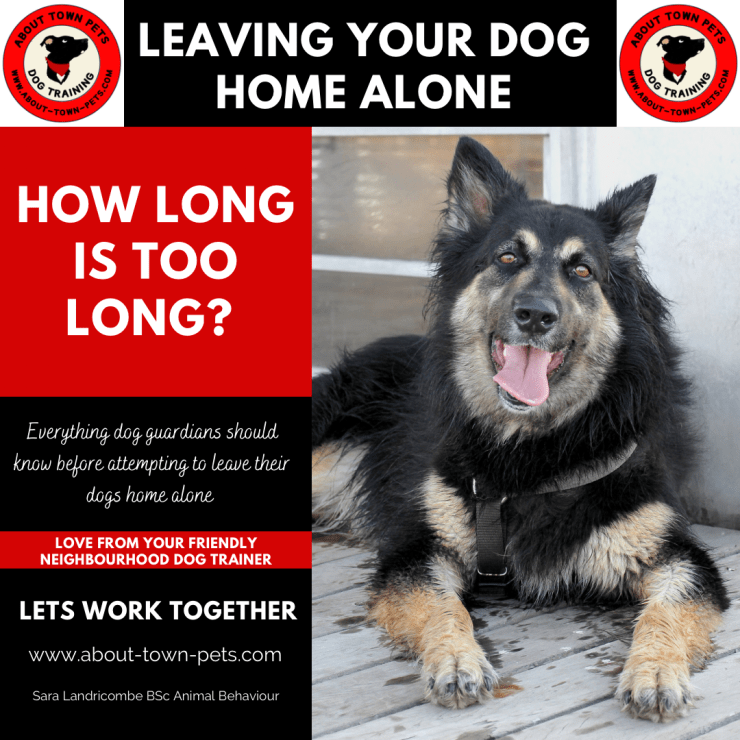
A Dog Owner’s Guide to Balancing Alone Time and Welfare
Let’s talk about something we’ve all probably mused over at one time or another as a dog guardian: how long can you really leave your dog home alone?
Technically, the Animal Welfare Act 2006 suggests that after 4 hours assuming that your dog has also just partaken in some form of enforced crating (think overnight in a crate for an average of 8 hours), it would be time to consider your dog’s welfare. Dogs are social creatures, after all, and leaving them for long stretches without interaction isn’t ideal.
In fact, the PDSA is pushing for an additional welfare guideline to consider dogs’ rights to companionship beyond that 4-hour mark. The science is simple: dogs thrive on interaction, and too much alone time can lead to boredom, anxiety, and even stress-related behaviors.
But how long is too long?
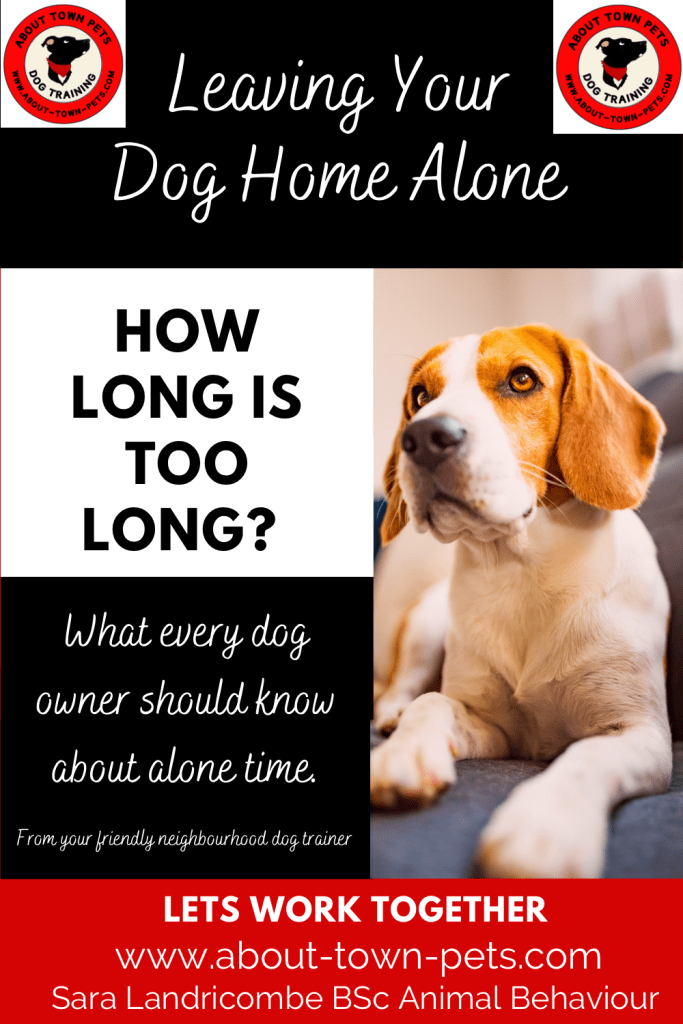
Context Is Key: A Quick Reality Check
For a little perspective, animals in transit on their way to slaughter (yes, grim but relevant) can’t travel for more than 8 hours without a break for food, water, and in some cases, a quick hose down. So if even livestock in transit get regulated breaks, it makes sense to extend similar consideration to our household pets too doesn’t it?
While some dogs—like seniors, puppies, or those with medical conditions—may need more tailored routines, the general rule of thumb is to limit alone time to 4-6 hours, with 8 hours being the absolute maximum in most cases.
What Can You Do?
Here’s where your creativity and resourcefulness come into play. It’s all about breaking up your dog’s day:
- Enlist Help: Think family, neighbours, friends, or even a professional dog walker.
- Pop-In Visits: A quick visit to let them out, give them some love, and maybe toss a frisbee can make all the difference.
- Gradual Training: If your dog isn’t used to being alone, work up to it gradually with the help of a specialist dog trainer/ behaviourist.
Gradual Alone-Time Training: Step-by-Step
If you’re planning on leaving your dog alone while you’re at work, it’s worth setting them up for success:
- Start Small: Begin with short periods out of the house, like 2 hours or even less if your dog has ZERO practice (thirty seconds is all I’m asking to begin with).
- Use a Camera: Set up a pet cam and see what your dog does when you’re gone. (Spoiler: the camera doesn’t lie.)
- Extend Slowly: Once your dog is comfortable, try 3 hours, then 4. Adjust based on what you observe. Even 1 minute / 2 minutes in micro bursts might be where you start.
It’s worth noting that adjusting to a new routine can take time—sometimes up to 6 weeks. So please be patient!
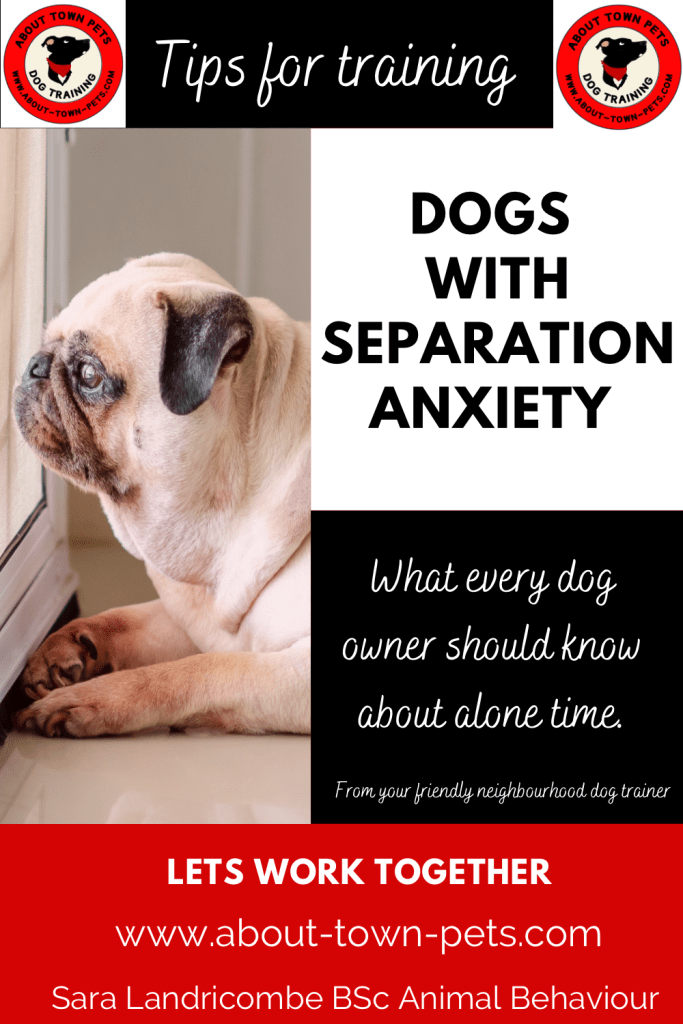
Setting Your Dog Up for Success
Here’s a handy checklist to help your dog settle into their alone time:
- Get Them Moving: Make sure your dog gets a good walk before you leave, but avoid high-energy activities like frisbee or fetch, which can leave them tired but overstimulated.
- Instead, try scent-based activities like scatter feeding or search games to help them decompress on the way home.
- Feed Them: A well-fed dog is much more likely to nap afterwards. I often do this AFTER their walk due to issues regarding bloat (I have two deep chested dogs).
- Provide a Cozy Space: Create a comfortable “hotel spot” where they can snooze undisturbed whilst you are out. The more appealing and luxury the better.
- Offer Enrichment: Puzzle toys, Kongs, or chew toys can keep them entertained—but introduce these while you’re still home so they don’t associate them with you leaving. Give yourself plenty of time to leave. I use the rule that enrichment for the day goes down 30 minutes before I leave.
- Keep the Goodbye Drama-Free: No long farewells. Just calmly set them up and go. By planning these morning routines well we can set our dogs up well.
- Lastly – make sure you are actually out of sight and out of their scent range because dogs will settle sooner if they can smell you upstairs or out on the doorstep for example. We need to make it as true to life as possible.
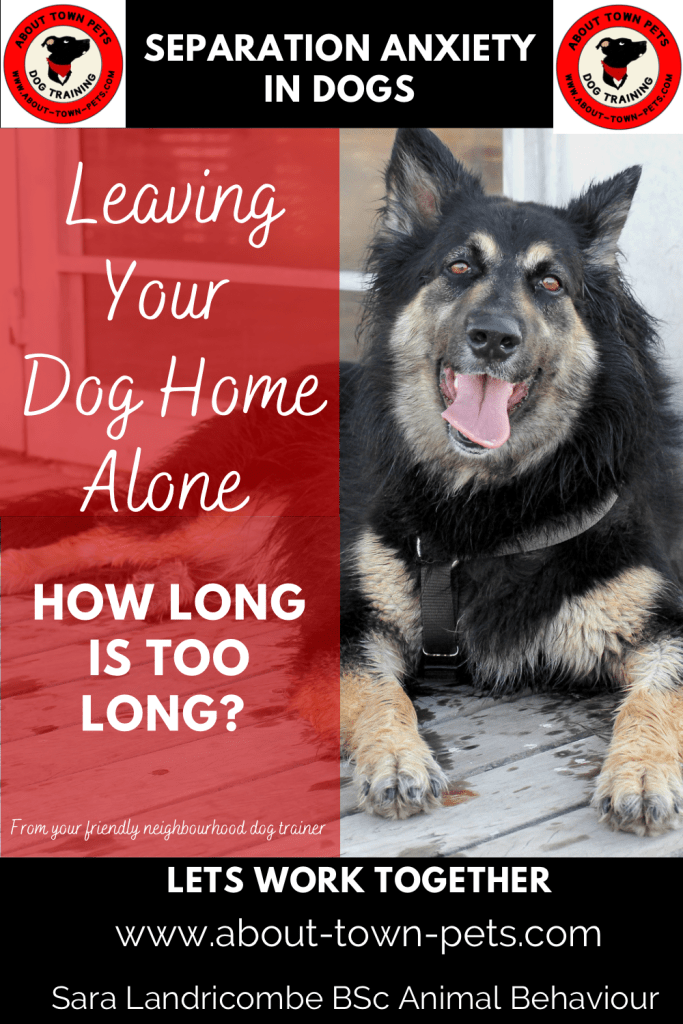
The Bottom Line
Your dog doesn’t need 24/7 supervision, but they do deserve thoughtful planning to ensure their welfare. With a mix of routine, training, and enrichment, you can strike a balance that keeps your dog happy and healthy—while giving you peace of mind.
So, whether it’s calling on a neighbour, investing in a pet camera, or adjusting your dog’s routine, small changes can make a big difference and remeber it’s never too late to start home alone training.
Love from your friendly neighbourhood dog trainer Sara.
If you enjoyed this post feel free to check out my previous Home Alone Posts Here 👉 How to start home alone training & Five myths about separation anxiety
If you want to work with me then you can email me here Contact Sara at About Town Pets as I now offer online 1-2-1 dog training in person in an 8 miles radius of Plymouth Uk or online for the rest of the UK USA Canada Europe New Zealand and Australia specialising in the following topics;
Separation Related Distress
Lead Reactivity
Adolescent Dogs (6-18 months old)
Tiny Dog Behaviour (dogs under 7kgs)
City Dogs (adapting training for urban environments)
Or BOOK NOW 👉Home Alone Heroes Package
Please be sure to check out my Facebook page for upcoming webinar topics coming soon About Town Pets On Facebook

 About Town Pets