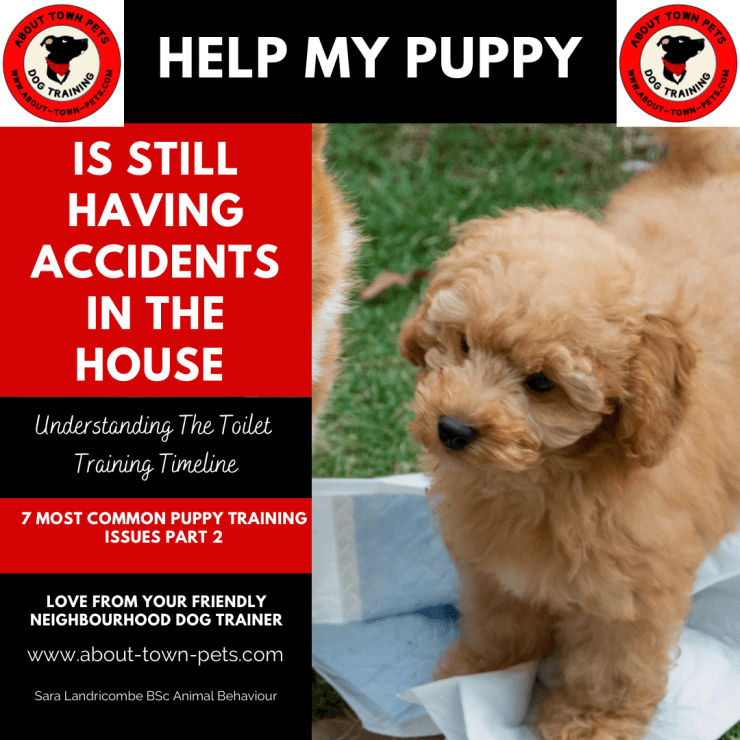
Part 2 in my 7 Most Common Training Issues For Puppies Series.
If you’ve ever stepped in a warm surprise at 6am, you’re not alone.
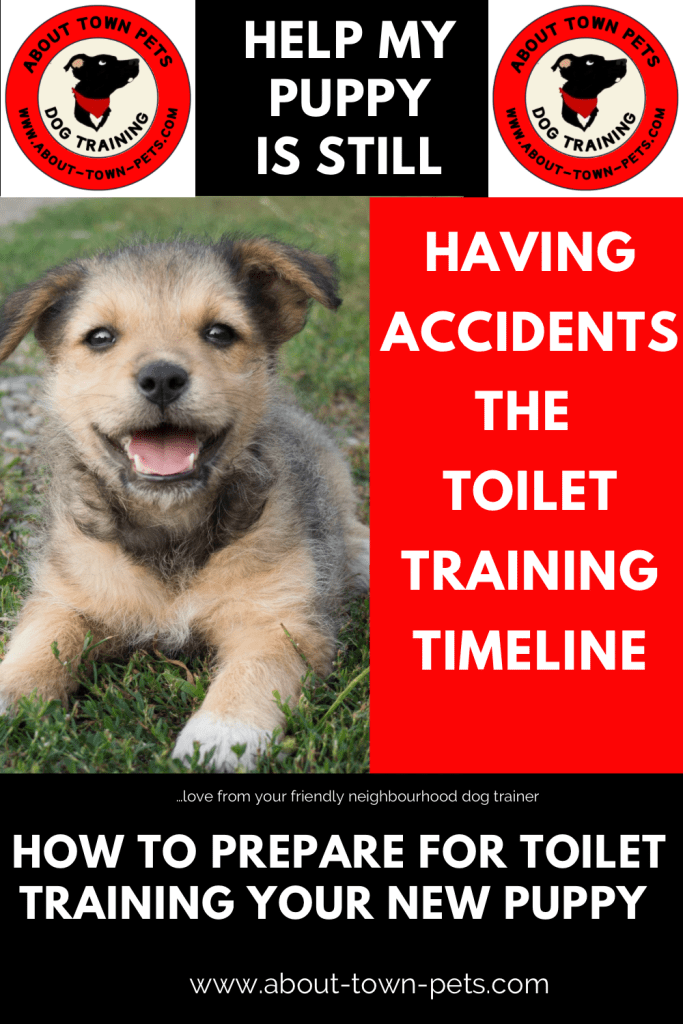
Toilet training is easily one of the top seven reasons new puppy parents reach out to me. It can feel frustrating, exhausting, and sometimes confusing — especially when you’re sure they “know what they’ve done.”
Let me reassure you straight away:
Your puppy isn’t being naughty.
They aren’t being spiteful.
And they absolutely aren’t trying to upset you.
They’re just a baby.
Let’s break this down properly and set you (and your pup) up to win.
First Things First Is Your Puppy S.A.F.E?
Before you begin any settling or crate training work, or even considering confining your puppy in any way please ask yourself:
Is my puppy…
- Snoozy?
- All tired out?
- Full?
- Empty?
- Or SAFE if it’s easier to remember
If your puppy is overtired, overstimulated, hungry, or needs the toilet, you won’t get much training done. A safe puppy is a successful puppy — so make sure they are secure in a pen or crate only when their needs have been met first.
Toilet training success begins with meeting biological needs.
Understanding Bladder Development
A very general guide for bladder holding ability during the day:
- 8–10 weeks: 1 hour (sometimes less)
- 10–12 weeks: 1–2 hours
- 3–4 months: 2–3 hours
- 4–6 months: 3–4 hours
- 6+ months: Increasing gradually with maturity
Overnight is often slightly longer because metabolism slows during sleep.
In the early weeks, I strongly recommend:
Take them out every hour, on the hour.
Yes — really.
You’re not being excessive. You’re preventing accidents and rehearsing success.
Every accident indoors is practice at going indoors.
Every success outside is practice at getting it right.
Let’s Talk About Substrates
(The Surface Matters More Than You Think)
One key area many people overlook is substrate preference.
Dogs develop preferences for the surface they eliminate on. If a puppy learns to wee on soft absorbent material (like puppy pads), they may later seek out:
- Rugs
- Carpet
- Bath mats
- Laundry piles
Instead of relying on puppy pads (which also contain ammonia scents that can encourage repeat use), consider bridging the gap more thoughtfully.
If you live in a flat or can’t access the garden quickly, try:
- A tray with well-drained astroturf
- A shallow box with garden pebbles
- A small patch of real turf if possible
This helps mimic outdoor textures and makes the transition easier later.
Why I Don’t Recommend Puppy Pads
Puppy pads can:
- Encourage indoor toileting habits
- Smell of ammonia (which signals “toilet here”)
- Confuse puppies when you later ask them to go outside
If accidents happen (and they will), calmly:
- Scoop puppy up and take them outside immediately.
- Clean the area with an enzymatic cleaner (such as Simple Solution).
- Avoid drawing attention to the mistake.
Standard cleaners don’t fully remove the scent markers — but your puppy’s nose will still find them.
Timing Is Everything (You Have About 8 Seconds)
Dogs Learn Through Associations
You have roughly 8 seconds for reinforcement to connect to the behaviour.
If you shout after discovering a puddle 5 minutes later, your puppy doesn’t link it to the wee. They link it to:
- You coming into the room
- You being loud
- Or simply your presence
That’s it.
Which brings me to something important…
“He Knows What He’s Done” — No, He Doesn’t
That “guilty look”?
Head turned away.
Lip licking.
Blinking.
Crouching.
That’s not guilt.
That’s appeasement behaviour.
Your puppy is trying to diffuse a situation because you sound cross or scary. In some sensitive puppies, raised voices can even trigger more urination due to stress.
Remember:
This is a tiny baby animal with an immature nervous system.
Stay calm. Every time.
Set Them Up to Win
Instead of reacting to mistakes, prevent them.
Take your puppy out:
- After waking
- After eating
- After drinking
- After playing
- After training
- Before settling
- Every hour in the early weeks
When they go outside?
Throw a little party.
Soft praise.
A cheerful “yes!”
Maybe a small treat. But don’t over do the praise because this can cause your puppy to quickly hold on to their pee whilst they check to see what all the excitement is about 😅 Gentle encouragement (save your enthusiasm for when the toileting have finished entirely) 👍
Positive reinforcement builds clarity and confidence.
Breaking Up the Day
If you’re out for several hours, accidents are almost guaranteed.
A mid-day puppy visit from a trusted pet sitter can:
- Prevent accidents
- Protect your training progress
- Reduce stress
- Support bladder development appropriately
Sometimes success is simply about realistic scheduling.
The Bigger Picture
Toilet training isn’t about dominance.
It’s not about stubbornness.
It’s about biology, consistency, and clarity.
Your job is to:
- Manage the environment
- Meet needs before settling
- Reinforce the behaviour you want
- Calmly clean what you don’t
No drama. No punishment. No shame.
Just guidance.
And if you’re feeling tired — that’s normal too.
You’re raising a baby.
If toilet training feels overwhelming, you’re not failing. You might just need a structured plan tailored to your home, schedule, and puppy.
And that’s exactly what I’m here for- Love From Your Friendly Neighbourhood Dog Trainer & Behaviourist.
If you found this blog post help be sure to check Part 1-7 in my; SEVEN most common puppy issues series starting with Part 1 here Part 1.Help My Puppy Won’t Settle At Night Or
Part 3 Jumping Up & How To Prevent It
Also if you wanted access to all seven videos in the puppy issues series as well as a step by step crate training guide you can find access to my Webinar Bundle Here currently discounted to £59 for four webinars plus many extras.

Be the FIRST to read my newest blog posts and get access to all of my classes and webinars by signing up to my bi weekly Newsletter Sign Up Here



 About Town Pets
[…] Part 2 – The Toilet Training Timeline […]
LikeLike