
If your once well-behaved puppy suddenly seems to forget everything they’ve learned, you’re not alone. The adolescent phase — usually between 6 to 18 months — can bring a wave of new challenges as your dog’s brain and body mature. Think of it as the teenage phase of their development: hormones, distractions, and big feelings all at once!
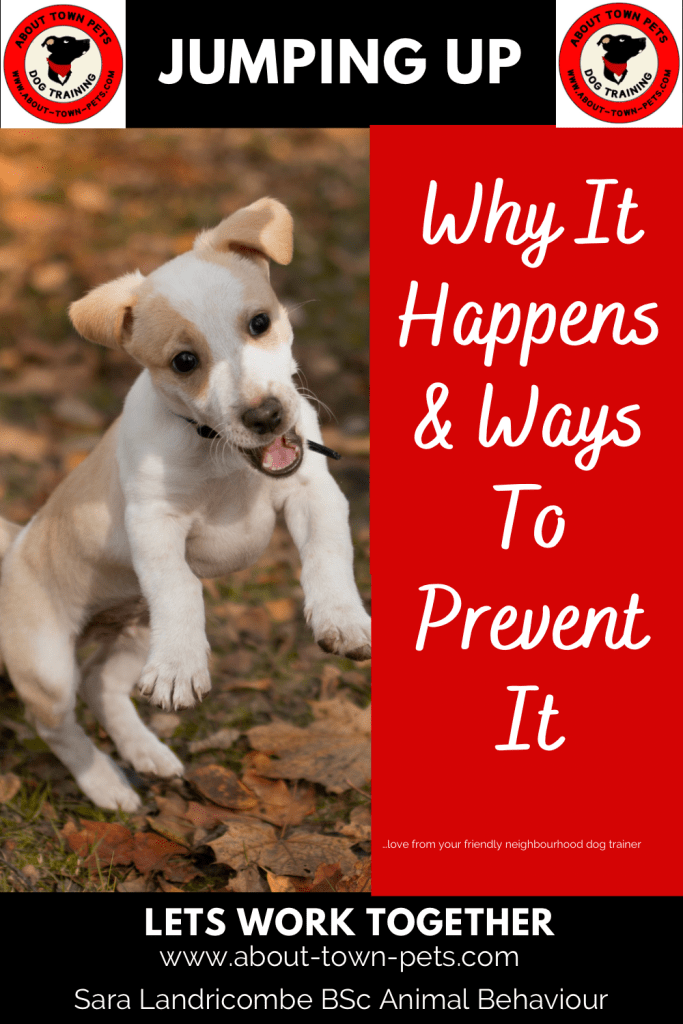
One of the most common issues owners face during this stage is jumping up — especially around people. The good news? With management, consistency, and a well-practised alternative behaviour, your dog can absolutely learn better ways to greet.
Why Does It Happen?
Jumping up is natural for dogs. They do it to get attention, greet face-to-face, or release excitement. During adolescence, impulse control dips while energy and social motivation soar — not the best combo! Add in the fact that new people, places, and smells are super stimulating, and it’s easy to see why polite manners can vanish overnight.

Step 1: Manage Before You Train
Use management to prevent unwanted rehearsals of the behaviour. Keep greetings calm and controlled — use a lead or long line, create space, and avoid letting the dog practise jumping.
This isn’t forever! It’s just until your teen pup is emotionally mature enough to handle more stimulation without losing focus.
Step 2: Train an Alternative Behaviour
Start at a distance where your dog can succeed. Practice a calm, incompatible behaviour such as:
- An automatic sit
- A “go to mat” or “place” cue
- A relaxed settle on a bed
Reinforce these generously so they feel just as rewarding as saying hello by jumping.

Step 3: Keep Rewards Low
Always deliver rewards on the floor. This prevents your dog from anticipating treats coming from above — which can encourage more jumping. It is inevitable if everything fun happens at waist height then the dog is much more likely to want to get to the exciting thing more quickly by jumping up as excitement builds so get into the habit of asking your dog to “Find It” on the floor initially.
Step 4: Repetition Builds Reliability
Consistency is everything. It takes around 3–4 weeks for old habits to fade and new ones to stick.
And remember: one excitable jump can set you back a few practice sessions — so think long-term, not instant results.
A great rule of thumb: train 100 reps for the time you’ll need that 101st in real life. Build the muscle memory before you need it.
Step 5: Check the Motivation
Ask yourself:
- Is my dog overstimulated by people or the environment?
- Do they know how to switch off?
Try visiting public places to practise simply watching and settling. Start with 5–10 minutes at a distance, then gradually work closer as your dog learns to stay calm.
Final Thoughts
A well-timed “sit” or “what’s this?” is always more effective than shouting “no.” When dogs understand what’s expected, they feel secure — and calm dogs make better choices.
Adolescence can be challenging, but it’s also an opportunity to deepen your bond through patience, practice, and clear communication.
If you’d like to learn more about why adolescent dogs behave this way and how to support them through it, join my Teen Dog Behaviour Webinar on Wednesday nights — dates for the next rotation of webinar topics can be found below👇 🐾
And if you found this blog helpful you might also like my previous blog post in the Seven Most Common Issues In Puppy Training 👇
Part 4- Nipping & Biting – the teething timeline
Part 5- Pulling – Getting started with loose lead
… love from your friendly neighbourhood dog trainer – S
If you want to work with me 1-2-1 please check out my Training & Behaviour Questionnaire Link To Get Started HERE 🐶



 About Town Pets
[…] How To Tackle Jumping Up […]
LikeLike
[…] Part 3 Jumping Up & How To Prevent It […]
LikeLike
[…] Or Part 3 – Jumping Up & How To Prevent It […]
LikeLike
[…] Part 3- How to prevent jumping up […]
LikeLike